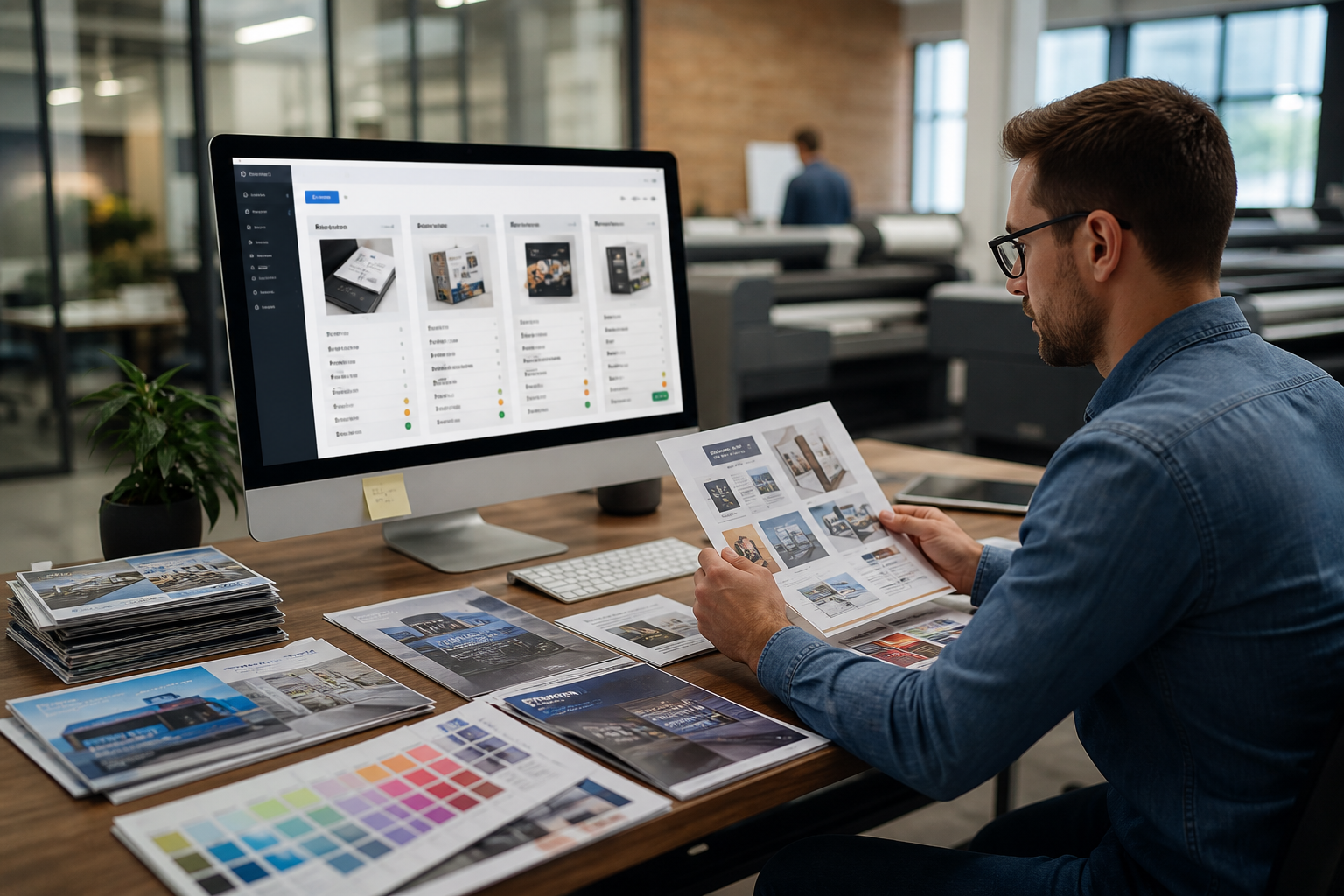
Making Your Komori, HP Indigo Or Roland Discoverable To Buyers Who Actually Need It
How to write speciality press listings that trade buyers, brokers and agencies actually search for — and how to get found without commission.
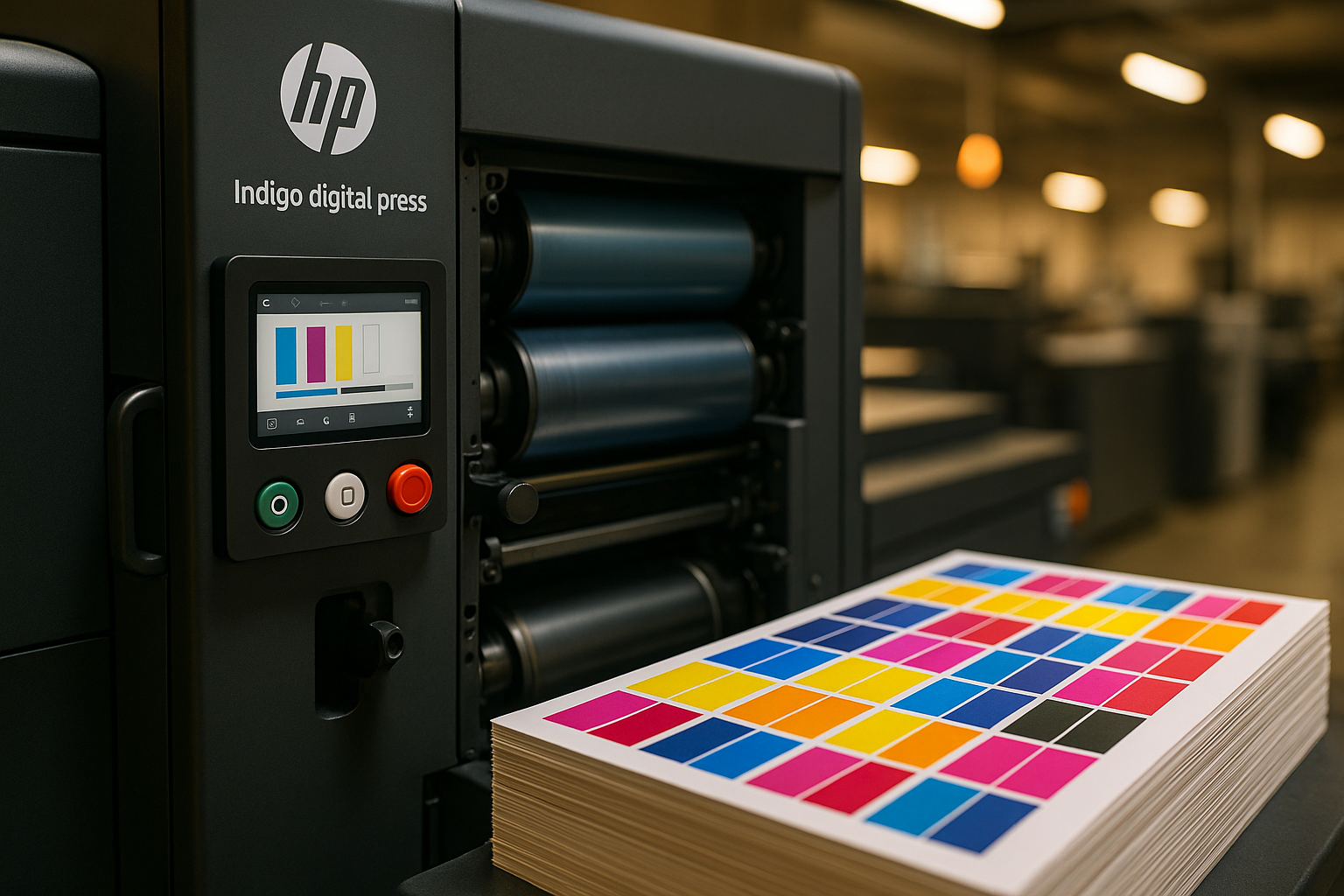
You've got a five-colour Komori sat idle two shifts a week, an HP Indigo 7900 that could take on far more short-run work, or a Roland TrueVIS that's under-fed on wide-format. The kit is world-class — but the buyers who need it don't know you exist. That's not a sales problem. That's a findability problem.
Why Great Kit Doesn't Sell Itself
Most print buyers, brokers and procurement leads don't browse. They search. They type things like "HP Indigo 7900 short run digital London" or "Komori H-UV litho 400gsm board" into whatever platform they trust, and they click the first three results that look credible. If your listing doesn't match how they search, you're invisible — no matter how sharp your print quality is.
The problem is compounded on commission-heavy marketplaces, where the platform's algorithm favours whoever pays for placement rather than whoever actually owns the right press. A trade buyer looking for a specific substrate on a specific machine ends up wading through generic "digital printing services" listings that could mean anything from a desktop laser to a B2 press.
The buyer's mental model
When a serious print buyer sources capacity, they think in three layers:
- The machine — make, model, format, colour configuration, any special units (H-UV, white ink, spot varnish, foil)
- The substrates and specs — GSM range, board types, synthetic stocks, envelope feeders, max sheet size
- The commercial fit — minimum runs, turnaround, location, whether you'll white-label for a broker
If your listing only answers layer one — or worse, just says "digital and litho printing" — you've lost the buyer before they've read a full sentence.
Writing A Listing That Matches Real Search Intent
Here's what actually gets found. Skip the marketing fluff and lead with searchable specifics.
- Exact machine names and models. "HP Indigo 7900" not "digital press". "Komori Lithrone GL-540 H-UV" not "five-colour litho". "Roland TrueVIS VG3-640" not "wide-format printer".
- Format and sheet size in the format buyers use. B1, B2, SRA3 — plus the actual millimetre max.
- GSM range and stock types you're comfortable running. 80gsm bible paper is a very different sell to 450gsm SBS.
- Special capabilities. White ink on Indigo, fifth-station spot, in-line coating, H-UV instant cure, ElectroInk specials, Pantone bridge matching.
- Finishing on-site vs subbed out. Buyers care whether foiling, die-cutting and perfect binding stay under your roof.
- Minimum and sweet-spot run lengths. "Sweet spot 250–2,000 SRA3 sheets" tells a broker instantly whether to call.
- Location and delivery radius. Regional buyers want a regional partner.
The language trap
Don't translate industry vocabulary into consumer-speak. A print buyer searching for "H-UV" wants to see "H-UV" in your listing. If you've rewritten it as "instant-dry ultraviolet curing technology" for a general audience, the search never lands on your page. Speciality listings are one of the few places where jargon helps you rank — because the people typing those terms are exactly the buyers you want.
Structuring The Listing Itself
On ZeozGig, listing a product or capability costs a flat $1 and stays live in the marketplace permanently — so there's no reason not to break your kit down into separate, tightly focused listings rather than one sprawling "about our shop" page.
A better structure looks like this:
- One listing per press or capability. Your Indigo, your Komori and your Roland each deserve their own entry with their own searchable keywords.
- A clear headline that a buyer would type. "HP Indigo 7900 short-run digital, B3, up to 400gsm, London" beats "High-quality digital printing services" every time.
- A specification block near the top. Machine, format, colours, substrates, finishing, MOQ, turnaround.
- A short paragraph on ideal work. "Best for 100–2,000 run brochures, direct mail, business cards on textured stocks, and prototype packaging comps."
- What you won't take. Sounds counterintuitive, but ruling out "1-off greetings cards" or "jobs under £150" filters out the tyre-kickers before they cost you time.
Letting Buyers Come Direct
The reason findability matters so much is that once a buyer finds the right press, they want to talk to the person running it — not a platform account manager taking a cut. On ZeozGig, when a buyer opens a direct connection to you it's a one-off $5 fee, and from that point on you're chatting, calling or video-calling with them without any commission on the work that follows. Voice is 50p, video is £1-ish equivalent, and there's no monthly fee sitting in the background whether you win work or not.
That matters for speciality kit specifically, because the deals tend to be:
- Higher value per job than commodity print
- Repeat business once the buyer trusts the operator
- Spec-sensitive, so a five-minute voice call saves a day of email ping-pong
Paying a percentage on every one of those jobs for the rest of the relationship is the expensive way to do it. Getting found once, connecting direct, and keeping the buyer for years is the cheap way.
And if the RFQ side is quiet?
Worth remembering: if you post an RFQ on ZeozGig looking for a subcontractor for a job your own kit can't cover, and nobody responds, the $1 fee is refunded automatically. It's a low-risk way to test whether the buyer or supplier side of the market is deeper for your niche.
Get Your Presses In Front Of The Right Eyes
Your Komori, Indigo or Roland is only as valuable as the buyers who know it's available. Spend twenty minutes writing three sharp, keyword-rich listings — one per press — and put them somewhere buyers actually search. List your speciality press on ZeozGig for a flat $1 and let the trade buyers, brokers and agencies who need exactly your kit find you direct. No commission, no contract, no middleman skimming the relationship you built.