Letterpress And Craft Printers: Winning Niche RFQs That Mass Platforms Ignore
How letterpress, foil and craft print studios can attract high-value niche RFQs that mainstream print marketplaces route straight past them.
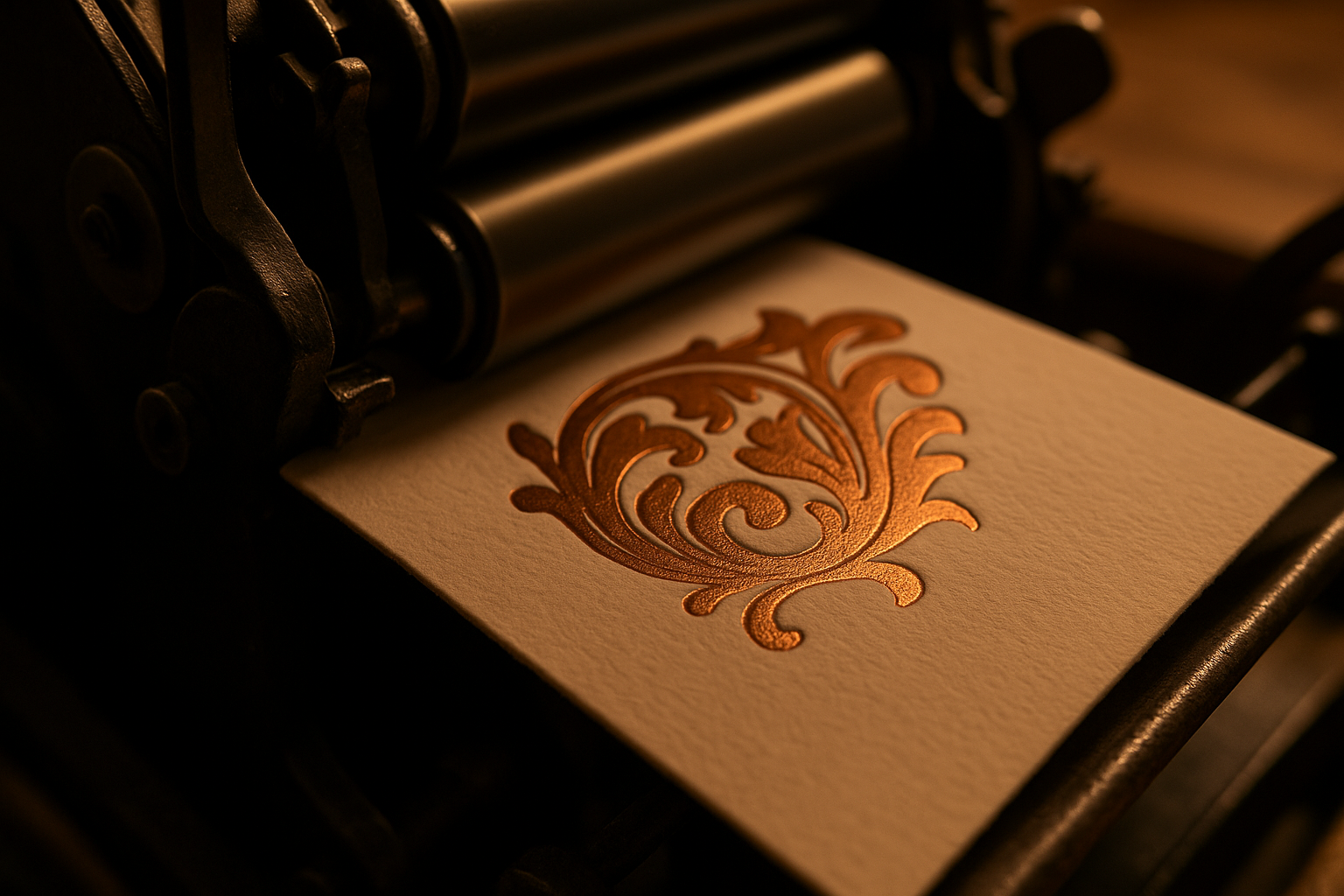
If you run a letterpress Heidelberg, a Vandercook proofing press, or a small craft studio doing hot foil and edge painting, you already know the problem: the big print marketplaces treat you like a rounding error. Their quote engines are built for 250gsm silk business cards on digital, not 600gsm cotton with a deep polymer bite and blind deboss.
Why Mass Platforms Miss Craft Print Entirely
Mainstream aggregators optimise for volume and speed. Their forms ask for CMYK, GSM, quantity, turnaround — and then route the job to whichever trade printer can hit the lowest price on a B2 litho press. That model breaks the moment a buyer types "duplexed 640gsm Colorplan with copper foil and painted edges in Pantone 877."
The quote engine either:
- Silently drops the specialty requirements and quotes a generic digital job
- Returns "no supplier available" and pushes the buyer elsewhere
- Routes the enquiry to a trade printer who then subcontracts you at a margin
None of those outcomes are good for the craft printer actually capable of doing the work. The buyer is out there, holding budget, ready to spend — but the platform architecture never lets them find you.
The Buyers Who Actually Want Craft Print
The demand hasn't disappeared. It's just concentrated in places aggregators don't serve well:
- Wedding and event stationery designers sourcing letterpress invitations, RSVPs and menus
- Independent brand studios producing premium business cards, hang tags and packaging inserts
- Publishers and authors commissioning limited-edition covers, chapbooks and broadsides
- Luxury retailers needing foiled swing tickets, embossed care cards and hand-finished wrap
- Museums, galleries and cultural venues producing prints, catalogues and merchandise
- Whisky, wine and spirits brands ordering foiled neck labels, bottle hangers and gift sleeves
These buyers care about paper weight, tooth, deckle edges, register on a two-hit foil, and whether your press can handle a 1.5mm cotton duplex. They don't want a $47 automated quote — they want a conversation.
Turning Niche Capability Into Discoverable Inventory
The answer isn't to compete with the mass platforms on their turf. It's to be visible where niche RFQs land, and to make direct contact easy when a buyer with the right brief shows up. That's exactly what ZeozGig is built for — buyers post an RFQ describing what they actually need, suppliers respond, and the two sides connect directly without a commission ever touching the deal.
For a craft printer, that changes the maths significantly. If you win a $2,400 letterpress wedding suite through a commission platform charging 15%, you've handed over $360 for the privilege. On ZeozGig, the buyer pays $1 to post, you pay $5 to open a direct connection if you want to pursue the brief — and you keep the other $355 in your business.
What To List (And How To Describe It)
A listing that reads "Letterpress printing available" will get ignored. A listing that reads like a spec sheet will get bookmarked. Include:
- Presses and cylinders: Heidelberg Windmill, Vandercook SP-15, Original Heidelberg Cylinder, FAG Standard
- Maximum sheet size and impression area (the constraints that actually determine feasibility)
- Plate types you accept: photopolymer, magnesium, copper
- Finishing on site: hot foil, blind deboss, edge painting, edge gilding, duplexing, hand-tearing
- Stocks you regularly run: Colorplan, Gmund Cotton, Crane Lettra, Wild, Materica
- Registration tolerance and minimum run (some studios only take jobs above 100, some love a run of 25)
That level of specificity does two things. It filters out tyre-kickers, and it signals to serious buyers that you're the studio for their brief. At $1 per product listing, there's no reason not to list each press or capability separately so each one is independently searchable.
Responding To RFQs Without Racing To The Bottom
Craft printing is not a lowest-price game. When a designer posts an RFQ for 300 letterpress save-the-dates on 600gsm cotton, they're not looking for the cheapest quote — they're looking for the studio that clearly understands the job. Your response should demonstrate that:
- Confirm the spec back to them in the language they used (bite depth, foil colour, duplex construction)
- Flag any red flags early — hairlines under 0.5pt won't hold, deep deboss on thin stock will show through
- Quote a real number with a real turnaround, not a placeholder
- Offer to jump on a video call to walk through paper samples
Because ZeozGig charges a fixed fee per direct connection rather than a percentage of the job, that video call costs you $1 whether the project is $500 or $5,000. And if you post an RFQ yourself — say, subcontracting a foil job you can't fit in — and nobody responds, the posting fee refunds automatically. No wasted spend on quiet weeks.
Overflow, Collaboration And Cross-Referrals
Craft print studios also make brilliant collaborators for each other. Direct connections let you build a quiet network: the studio down the road with a bigger Windmill, the bindery that hand-sews Coptic stitch, the edge-painter who does gold leaf. When a brief comes in that's 80% yours, you can subcontract the 20% you don't do — and keep the client relationship intact.
Ready To Get Found By Buyers Who Actually Want Craft Print?
If you're tired of watching aggregators funnel premium briefs to generic digital printers, list your presses, stocks and finishing capabilities on ZeozGig for $1 each — or post an RFQ for the overflow work you need a specialist partner on. No commission, no subscription, no percentage of the deal. Just direct connections with the buyers and collaborators who understand what your press can actually do.