Positioning Your Bindery As A Standalone Trade Brand, Not A Bolt-On Service
Your foiling, embossing and die-cutting kit deserves its own storefront. Here's how to position bindery services as a standalone trade brand and win direct work.
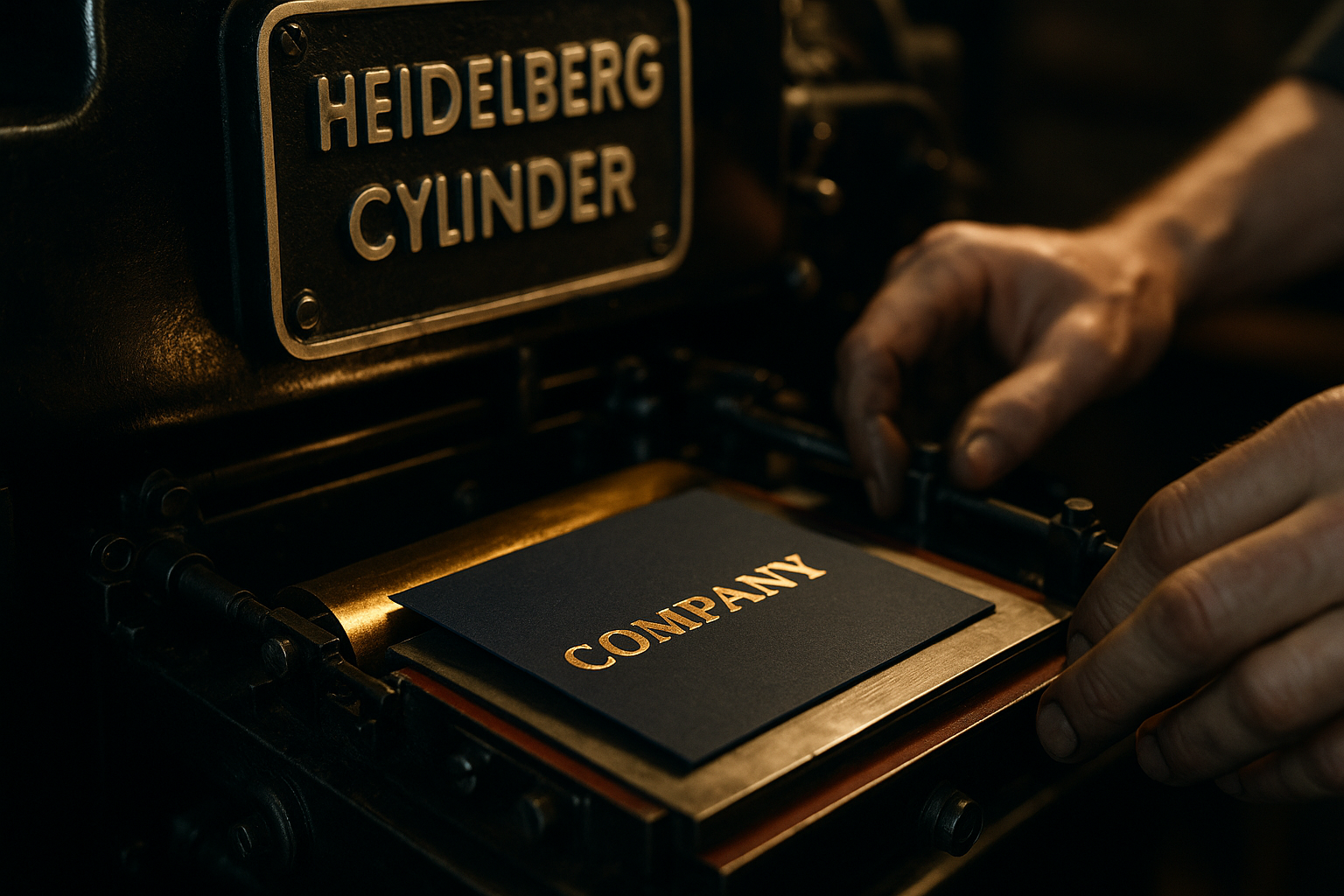
Most bindery owners still think of themselves as "the finishing bit" that happens after the press stops rolling. That mindset is exactly why your Heidelberg cylinder, your Kluge foiler and your die-cutting bench are quietly under-earning.
The Bolt-On Mindset Is Costing You Money
When finishing is positioned as an afterthought — a service printers add to their quote — it gets treated like a commodity line item. Buyers assume it's cheap because it's rolled into a single price. Trade printers squeeze your margin because they're already discounting the litho. And end clients never even know your name.
But foiling, embossing, letterpress deboss, laser cutting, spot UV, edge painting and bespoke die-cutting are not commodities. They are the details that make a printed piece feel expensive. That's a brand story worth telling on its own — not one hidden behind a print broker's markup.
What Changes When You Rebrand As A Standalone Trade Finisher
The shift is more than cosmetic. Once you position the shop as a destination in its own right, three things happen:
- Trade printers approach you directly for overflow finishing rather than sending it to whoever quoted lowest last week.
- Designers and studios spec you by name on their production files, the way they'd spec a paper mill.
- End clients (brands, agencies, packaging buyers) contact you first and ask their printer to route the sheets to your address.
That last one is where the real margin sits.
Building A Standalone Finishing Offer That Sells
You don't need a marketing agency to do this. You need to answer four questions clearly and publicly.
- What can you actually do? List every process — hot foil, cold foil, blind emboss, register emboss, thermography, die-cutting, kiss-cutting, laser cutting, scoring, perforating, edge gilding, edge painting, round-cornering, saddle-stitching, PUR binding, case-binding, mounting, laminating (gloss, matt, soft-touch, silk), spot UV, drip-off varnish.
- What are your maximum sheet sizes and substrate ranges? A designer specifying a 450gsm cotton business card needs to know your platen will handle it and your foiler will strike cleanly.
- What's your minimum and maximum run length? Some shops want 200-piece luxury runs. Others want 50,000-piece packaging runs. Say so.
- What's your typical turnaround? "5 working days from sheet arrival" beats vague promises every time.
Speak Trade, Not Retail
When you list capacity publicly, use the vocabulary trade buyers search for. "Foil stamping on GF Smith Colorplan 540gsm, up to B2, one-hit or multi-hit registration, Kurz and Api foils stocked" tells a print buyer everything they need in one line. Compare that to "we do lovely gold foiling on cards" — one is a supplier, the other is a hobbyist.
Getting Discovered By The Right Buyers
This is where a lot of specialist finishers stall. You've got the kit, you've got the samples, but the phone doesn't ring because the wider market doesn't know you exist outside of your local trade circle.
Directory listings on general print marketplaces tend to bury finishing under "other services" and take a cut when a job lands. That's the exact model that keeps finishers invisible and underpaid. A zero-commission approach works differently: you list your capabilities once, buyers post RFQs for finishing-only work, and you respond directly. No percentage skim on the job, no gatekeeper deciding which enquiries you see.
On ZeozGig, listing a service costs a flat pound. Opening a direct chat with a serious buyer is a fixed fiver — no matter whether the job that follows is £200 of business cards or £20,000 of foiled packaging sleeves. If you post an RFQ yourself (say, sourcing a specific die or a foil colour) and nobody replies, the fee comes back automatically.
A Practical Listing Checklist For Finishers
Before you publish your standalone finishing profile anywhere, make sure it includes:
- Named kit (Heidelberg GT/GTP, Kluge EHD, Bobst, Kama, Newfoil, etc.) — trade buyers search by machine
- Max sheet size and pressure range
- Foil stockists you carry and lead times for special orders
- Sample photography under decent lighting — close-up on the debossed edge, not the whole card
- Substrate experience (uncoated, coated, synthetics, boards up to 600gsm, textiles, leather)
- Trade terms: do you accept sheets from other printers, and what's your damage/reprint policy?
- Delivery radius or courier arrangements for finished sheets
Stop Being The Last Line On Someone Else's Invoice
The printers who consistently win specialist finishing work aren't the cheapest. They're the ones who show up as a brand — a named shop with named kit and visible samples — when a designer or trade buyer goes looking. Everything else is just being a subcontractor waiting for the phone to ring.
---
If you run a finishing shop and you're tired of being the invisible line on someone else's quote, list your capabilities on ZeozGig. Fixed £1 to publish, £5 to open a direct connection with a buyer, and zero commission on whatever job follows. Post a listing today, or drop an RFQ if you're sourcing dies, foils or overflow capacity yourself — no responses means an automatic refund.