How Print Brokers Can Cover Specialist Finishing on a Single Client Job Without a Trade Rolodex
A practical guide for print brokers on sourcing one-off foiling, embossing and die-cutting work fast — without commissions, contracts or cold calls.
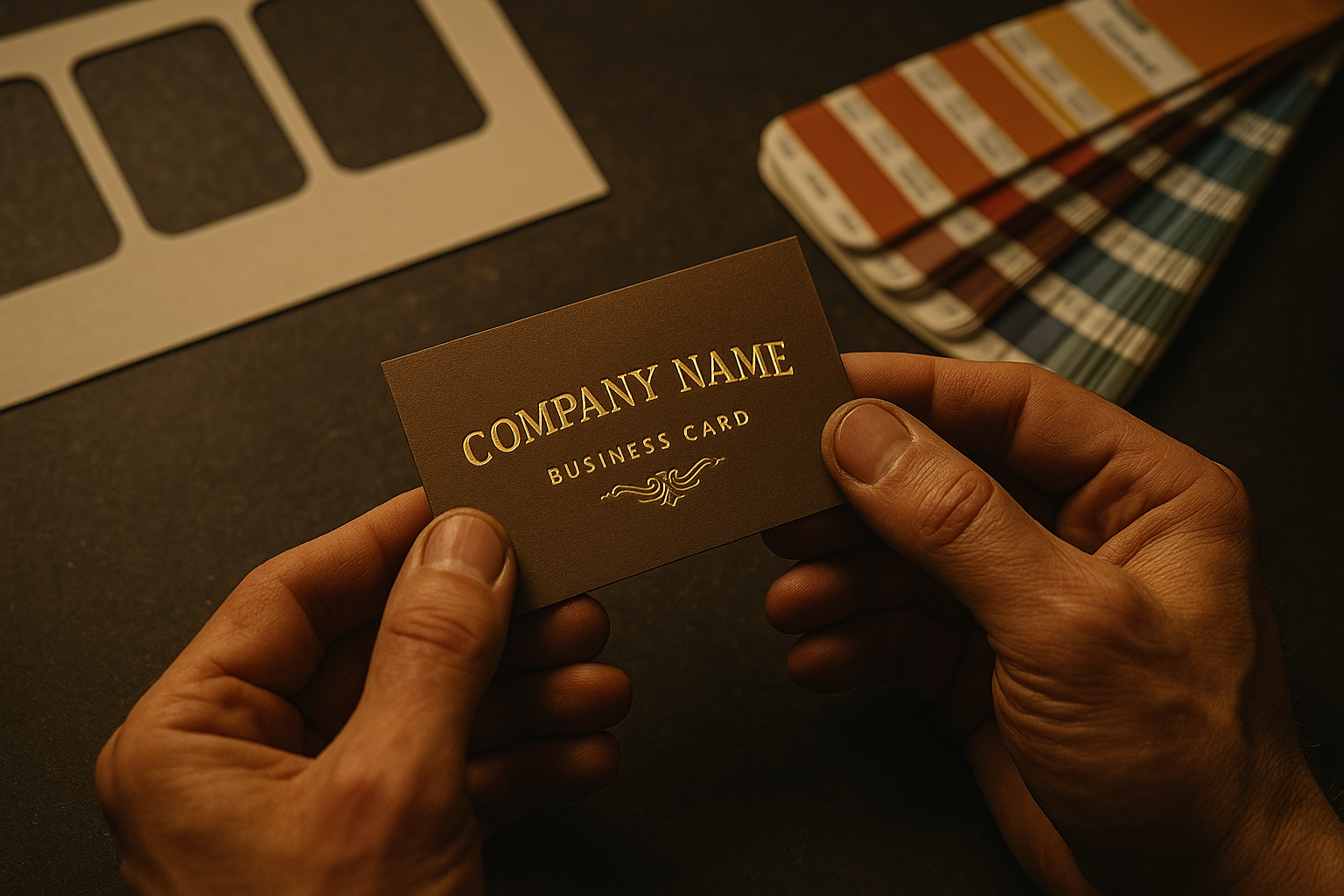
You've quoted a beautiful job — soft-touch covers, foil-blocked logo, an embossed crest and an unusual die-cut on the inserts — and now you're staring at your supplier list realising none of them do all four. For a one-off, the hunt for specialist finishing can quietly eat your margin before you've even sent the artwork.
The awkward economics of a one-off specialist job
Most brokers run lean. You've got two or three trade printers you trust, maybe a finisher you've used a handful of times, and a mental shortlist of who's good at what. That works beautifully for repeat work. It falls apart the moment a client asks for something you don't normally sell.
Foiling, embossing, die-cutting and other specialist processes sit in an awkward spot commercially. The job isn't big enough to justify days of sourcing, but it's complex enough that getting it wrong burns the client relationship. Worse, the suppliers who can do it are often invisible — small, specialist outfits that don't show up on the first page of Google and don't advertise to brokers because they're already busy with direct trade work.
Why your usual workaround costs you money
The usual fallback is to push the whole job to a single trade printer who'll sub the finishing out themselves. Convenient, but it costs you:
- You're paying their mark-up on the finishing, not the finisher's trade price.
- You lose visibility on lead time — if their sub-supplier slips, you find out last.
- You can't quote the same job competitively next time because you never saw the real numbers.
That's fine occasionally. Do it on every specialist job and you're systematically handing margin away.
A faster way to pull specialist finishing quotes
The alternative is to go direct to finishers and specialist trade printers yourself — but not by ringing round on a Tuesday afternoon. The point of a marketplace like ZeozGig is that you describe the job once, in proper trade language, and let the right suppliers come to you.
A single RFQ on ZeozGig costs $1 to post. If nobody responds, you get that dollar back automatically — so there's no downside to trying. Here's the workflow that tends to work for brokers running one-off specialist jobs:
- Write the RFQ like a trade spec, not a sales brief. Stock, GSM, format flat and finished, run length, CMYK plus any Pantone specials, the exact finishing processes, foil colour reference, emboss depth if known, die-line status, and delivery deadline.
- Separate the print and the finishing if it helps. Sometimes you'll get a better total by routing the litho or digital print to one supplier and the finishing to a specialist. Post two RFQs if that's cleaner.
- Set a realistic deadline for responses. 24–48 hours is usually enough for trade suppliers to come back with a sensible number.
- Shortlist on capability first, price second. A finisher who has clearly done foil-on-soft-touch before is worth a small premium over the cheapest quote from someone who's guessing.
- Open a direct connection with the one or two you want to brief properly. At $5 per connection, you're not bleeding cash to compare a couple of serious contenders.
What to actually say in the RFQ
Specialist finishers can smell a vague brief a mile off, and the vague ones get deprioritised. Keep it tight:
- Quantity and any tolerance on overruns
- Stock name, weight and finish (e.g. 350gsm uncoated, soft-touch laminated one side)
- Foil: colour, area in cm², single hit or double
- Emboss: blind or registered to foil, single or multi-level
- Die-cut: existing die or new, supplied die-line yes/no
- Makeready expectations and proofing requirements
- Delivery address and required on-site date
That level of detail tells the right suppliers you know what you're doing, which tends to bring sharper pricing.
Protecting margin on work you only sell occasionally
The commercial bit matters as much as the production bit. Specialist one-offs are exactly the jobs where brokers either make a healthy margin or quietly lose money — there's rarely a middle ground.
A few habits that help:
- Quote the client only after you've locked at least two trade prices. Don't guess a foil cost based on what it was two years ago.
- Mark up the finishing line separately from the print line. It's easier to defend, easier to adjust, and stops you under-pricing the complex bit.
- Keep the supplier relationship yours. Because ZeozGig takes no commission on the deal and no percentage of what you charge the client, the margin you negotiate is the margin you keep. Forever.
- Save the suppliers who deliver. A specialist finisher who hits a tight deadline on a fiddly job is worth their weight. Add them to your private list and go back to them directly next time.
When the one-off becomes a repeat
Half the value of sourcing well on a one-off is that the next similar job is suddenly easy. You've got a vetted finisher, a clean spec template, and a real price benchmark. The third time a client asks for foiled covers, you're quoting in an hour instead of a week — and your margin is locked in from the start.
Try it on the next awkward job
Next time a client drops a spec that includes foiling, embossing, die-cutting or any other process your usual suppliers don't really do, don't push it to whichever trade printer will swallow the lot. Post an RFQ on ZeozGig for $1, see who comes back, and open a direct connection with the one or two who clearly know the work. You'll keep 100% of your mark-up, learn the real trade price, and quietly build the specialist supplier list you've been meaning to build for years.
Post your RFQ on ZeozGig — or list your trade finishing services and get found by brokers looking for exactly what you do.