How Print Brokers Can Get Trade Quotes for One-Off Foiling and Die-Cutting in Hours, Not Days
How print brokers can pull fast, competitive trade quotes for one-off foiling, embossing and die-cutting jobs without burning a week chasing specialist suppliers.
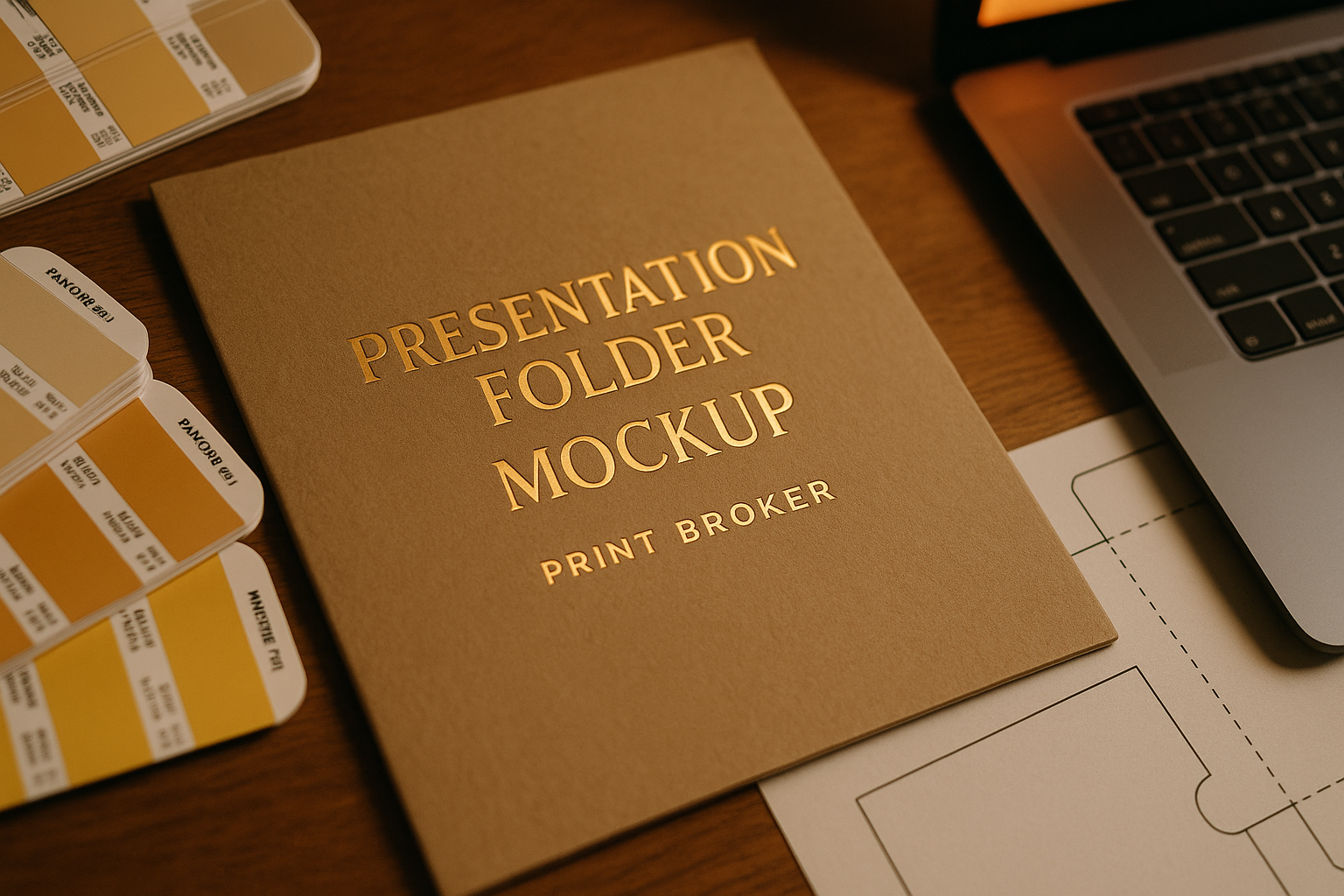
You've won the brief, the client wants a foil-stamped, embossed, intricately die-cut presentation folder, and your two regular trade finishers are either fully booked or have quietly stopped quoting one-offs. Sound familiar? For most print brokers, sourcing specialist finishing for a single job is where margin quietly disappears — eaten by hours of phone calls, awkward email chains and the nagging feeling you're about to over-promise on a delivery date.
This post is about how to compress that whole sourcing exercise into a few hours, keep the margin you priced in, and walk away with at least one new vetted finisher you can use again next quarter.
Why one-off finishing jobs eat broker margin
One-offs are awkward because they don't fit anyone's sweet spot. Your usual trade printer might handle the litho or digital element beautifully but sub the foiling out themselves — so you're paying a middleman markup inside your own supply chain. Meanwhile, dedicated finishers often prioritise repeat trade work over a 500-sheet curiosity from a broker they've never spoken to.
The symptoms are predictable:
- You quote the client off a guesstimate because you couldn't get real trade prices in time.
- You absorb a makeready charge you didn't see coming.
- You miss the deadline because the foiling shop slotted you behind a regular's job.
- You discover, post-invoice, that you've worked the job for 8% margin instead of 22%.
The fix isn't working harder. It's getting more competing quotes, faster, from suppliers who actually want one-off specialist work.
Treat the one-off like a mini-RFQ, not a favour
Print brokers often approach specialist finishing as if they're asking for a favour — calling round, apologising for the short run, hoping someone says yes. Flip it. A one-off foiling or die-cutting job is a clean, scoped RFQ. Trade finishers with a quiet week genuinely want to see it. The problem has always been visibility: how do you reach the ones with capacity this week without cold-calling thirty numbers?
This is where a marketplace like ZeozGig changes the maths. You post a single request describing the job — stock, GSM, run length, foil colour, deboss depth, die shape, delivery postcode and required-by date — and let trade suppliers come to you. For a flat $1 to post and an automatic refund if no one responds, the downside risk is essentially nil.
What to put in the RFQ so finishers can quote without ringing back
The quality of your responses depends entirely on the quality of your brief. Specialist finishers don't want a paragraph of marketing fluff — they want production data. Include:
- Substrate and GSM (e.g. 350gsm uncoated board, FSC if relevant)
- Format and run length flat and finished size, quantity, plus any overruns expected
- Foiling details — foil reference (e.g. Kurz Luxor 220), coverage area, single or multi-hit
- Emboss/deboss spec — depth, registration to print, blind or combination
- Die-cut detail — whether a cutter exists, or a new forme is required
- Print supplied or required — are you sending printed sheets, or do they need to handle CMYK + Pantone print too?
- Deadline and delivery point
- Whether you need white-label dispatch to your client
That last one matters more than brokers admit. A finisher willing to drop-ship in plain packaging is worth keeping in your contacts forever.
Pulling multiple trade quotes in parallel
The whole point of posting once and letting suppliers respond is parallelism. Instead of three sequential phone calls over two days, you get four or five quotes landing in your inbox within hours. You can then open a direct chat with the two most promising, ask the follow-up questions ("can you guarantee Thursday dispatch?", "what's the cost to cut a new forme?"), and lock the supplier in.
On ZeozGig that direct connection is a one-time $5 fee — not a percentage of the job. If the finishing element is worth £1,800 trade, you keep every penny of margin above your buy price. No commission claw-back, no "platform fee" on the invoice, no monthly subscription whether you use it or not. For a broker doing six to ten specialist jobs a month, that's the difference between a marketplace being a cost centre and a profit lever.
Quick maths on a typical foil-and-deboss job
- Client sell price: £2,950
- Trade print + finishing buy price: £2,100
- Your gross margin: £850
- ZeozGig cost to source: $1 post + $5 connection = ~£5
- Margin retained: £845
Compare that to a commission-based platform skimming 8–15% off the trade side, and the model speaks for itself.
Building a specialist-finishing bench for next time
The other quiet benefit of sourcing this way is that every one-off job grows your trusted-supplier list. The finisher who nailed the Pantone-matched foil this month is on your shortlist for the next pitch. Over six months you build a bench of vetted specialists across:
- Hot foil and cold foil
- Blind and registered embossing
- Laser and traditional die-cutting
- Spot UV, soft-touch lamination, edge painting
- Short-run wide-format finishing
You stop being dependent on two overworked trade printers and start sourcing like a proper print management operation.
Get the next one-off quoted before lunch
If you've got a foiling, embossing or die-cutting brief sitting on your desk right now, post it as an RFQ on ZeozGig, let the trade finishers come to you, and connect directly with the ones who can hit your deadline. One dollar to post, refunded if no one bites, no commission on the deal you win. Your margin stays yours — which is exactly how brokering should work.