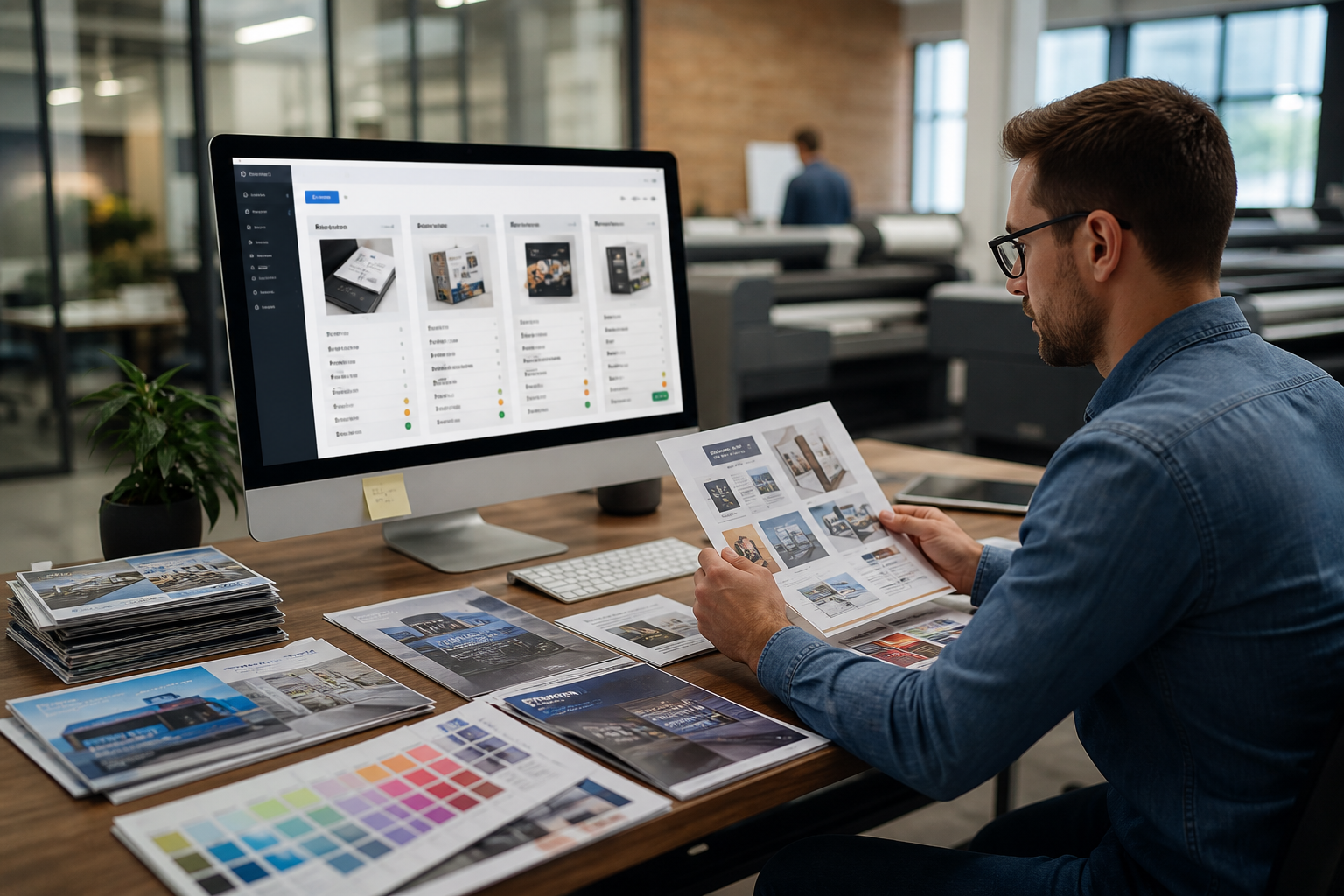
Sourcing Garment and Merch Print: How Brands and Individuals Find the Right DTG or Screen Printer
From band tees to brand merch drops, here's how buyers post one RFQ and pull competitive DTG and screen print quotes without cold-calling every printer in town.
You've got artwork, a rough quantity, and a deadline — but every garment printer's website asks you to fill in a different form, and half of them never quote back. Whether you're a brand launching a merch drop or an individual ordering a batch of tees for a stag do, the sourcing pain is remarkably similar.
The Two Worlds of Garment Print: DTG vs Screen
Before you can source properly, it helps to know which process actually fits your job. Getting this wrong is where most buyers waste money — either paying screen-print setup fees on a run that should have been DTG, or paying per-shirt DTG rates on a run that should have been screened.
Direct-to-Garment (DTG) works like an inkjet printer for fabric. It's brilliant for full-colour artwork, photographic designs, and short runs — anything from a single shirt up to about 50 pieces. No screens, no setup fees, and you can do one-offs profitably.
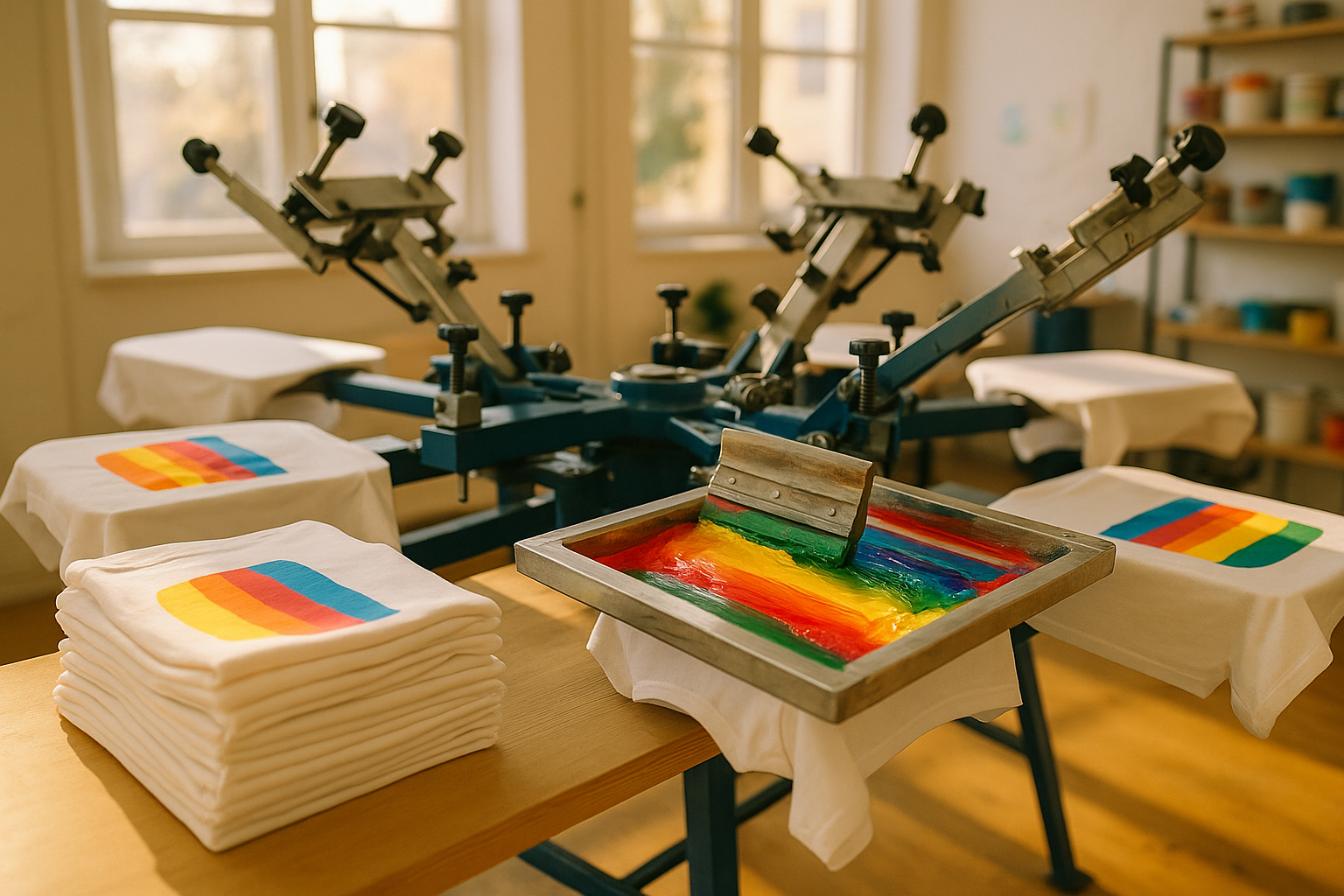
Screen printing lays down thicker, more vibrant ink through a mesh screen, one colour at a time. Each colour needs its own screen (that's the setup cost), but once you're running, the per-unit price plummets. Screen wins on runs of roughly 50+ pieces, on darker garments, and when you need Pantone-matched spot colours for brand consistency.
When it's not obvious
Plenty of jobs sit awkwardly in the middle — 30 shirts with a three-colour logo, or 80 hoodies with a photographic back print. This is exactly where getting several opinions from actual printers pays off, because a good garment printer will often suggest the process you didn't ask for if it saves you money.
What Buyers Actually Need to Include in a Garment RFQ
The number one reason quotes come back wildly different (or not at all) is a vague brief. Whether you're posting on ZeozGig or emailing suppliers directly, a tight RFQ gets tight quotes. Include:
- Quantity and size breakdown — e.g. 10 S, 20 M, 15 L, 5 XL. Printers price by total volume but need the split.
- Garment spec — brand and style if you have one (Gildan Softstyle, AS Colour Staple, Stanley/Stella Creator), weight in GSM, and colour(s).
- Print positions and sizes — front chest, full back, sleeve. Give artwork dimensions in mm or inches.
- Colours — number of ink colours per position, Pantone references if brand-critical, or note that it's full-colour photographic (which points to DTG).
- Deadline — the in-hand date, not just the dispatch date.
- Delivery — single address, or split shipping to multiple locations?
Attach the artwork as vector where possible (AI, EPS, PDF) for screen work, or high-resolution PNG with transparent background for DTG. If your art isn't print-ready, say so — some printers offer artwork setup, others don't.
The Sourcing Problem — and Why Phoning Round Doesn't Scale
Here's the friction most buyers hit. You Google "screen printer near me," get twelve results, and now you need to:
- Fill out twelve different quote forms
- Wait 24–72 hours for replies
- Chase the ones who ghost you
- Manually compare quotes that use different assumptions on garment, ink coverage, and delivery
For a brand doing this quarterly, it's a tax on your time. For an individual doing it once, it's genuinely off-putting — which is why so many one-off buyers end up on web-to-print aggregators that quietly add 30–40% to the printer's actual price.
The marketplace alternative
A two-sided print marketplace flips the model. You post one RFQ describing the job, and multiple garment printers — DTG specialists, screen shops, hybrid outfits — quote back competitively. On ZeozGig, posting a request costs $1, and if nobody quotes, that fee is refunded automatically. When you find a printer whose quote and portfolio you like, you open a direct connection for a fixed $5 to chat, share proofs, and confirm the order. No commission on the job itself, no percentage skim on your merch margin.
What to Look For in the Quotes That Come Back
Cheap-per-shirt isn't the same as best value. When comparing garment print quotes, weigh:
- Garment quality — a £4 blank and a £9 blank both exist. Make sure everyone's quoting the same tier.
- Ink type — plastisol vs water-based for screen; standard vs premium white underbase for DTG on darks.
- Included services — folding, poly-bagging, individual labelling, relabelling with your own neck tag.
- Turnaround — some shops run 5-day standard, others 15.
- Sampling — will they run a strike-off or a single sample before the full run? For brand work, this matters.
For brands specifically
If you're building a merch programme, ask about repeat-order pricing, screen storage (so you're not paying setup again next drop), and Pantone matching tolerance. Building a direct relationship with one or two reliable garment printers is worth more than chasing the lowest quote every time.
For individual buyers
Don't be shy about being a one-off. Plenty of garment printers genuinely enjoy small, weird jobs — leaving-do shirts, stag tees, art-project runs. Say what it's for; the friendliest quotes often come from smaller studios who get it.
Buy Local, Buy Direct
One quiet advantage of a marketplace over a national web-to-print site: you can find garment printers in your own city, cut shipping time and cost, and often visit for a press check on bigger orders. Local screen shops also tend to be more flexible on unusual requests — oversized prints, specialty inks (puff, discharge, metallic), or mixing DTG and screen across the same order.
Ready to Post Your Garment Job?
Whether you need 12 DTG tees for a birthday or 500 screen-printed hoodies for a product launch, post your RFQ on ZeozGig and let garment printers come to you. One request, multiple quotes, direct chat with the printer you pick — and 100% of your margin stays yours. If you're a garment printer, listing your services costs $1 and puts you in front of buyers who already know what they want.