Garment Printers: Listing DTG And Screen Capabilities For Fashion Brand Sourcing
How DTG and screen print shops can list their capabilities so fashion brands, labels and merch buyers find them direct — no commission, no gatekeepers.
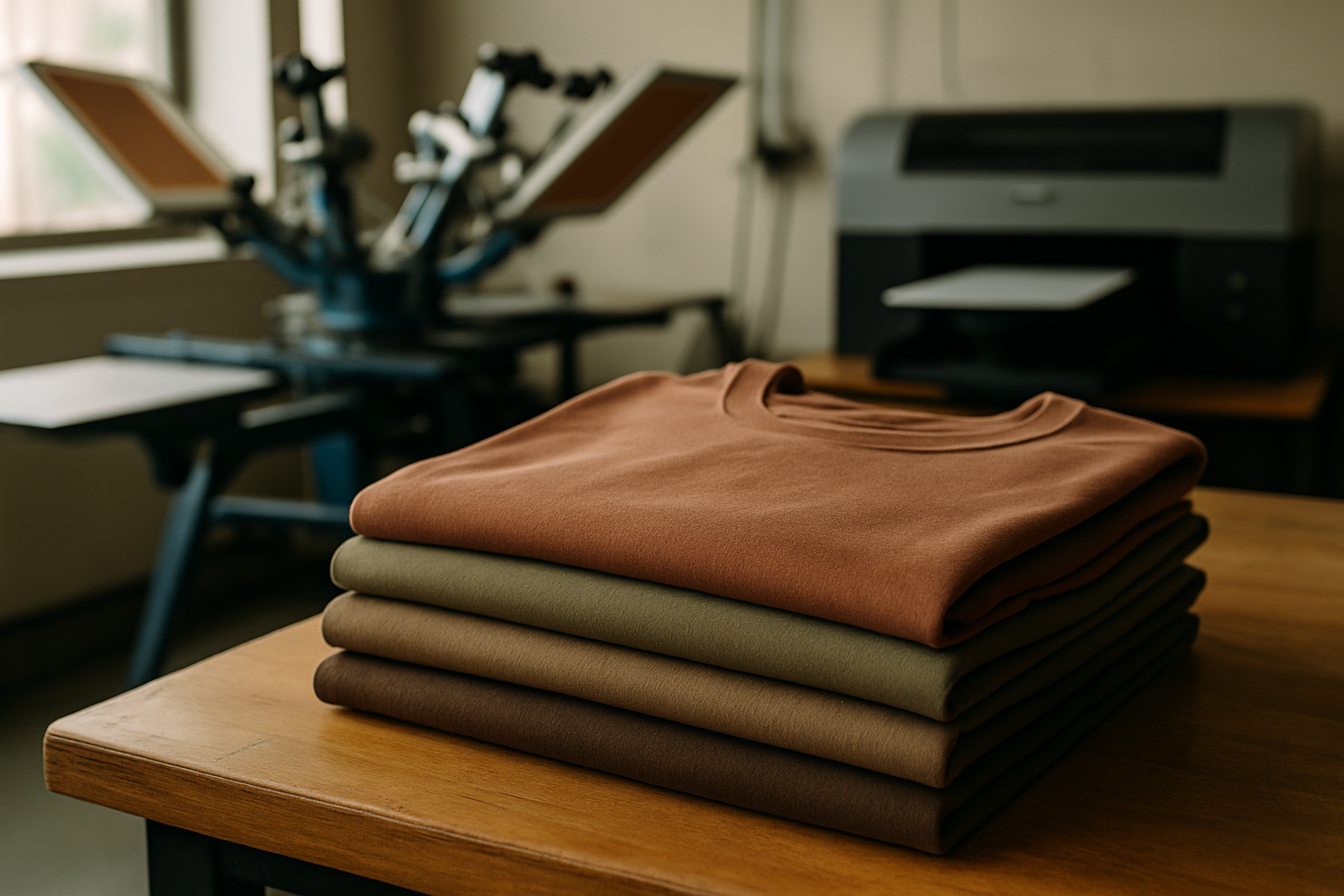
Fashion brands and clothing labels are constantly hunting for garment decorators who can actually deliver — the right substrate, the right hand-feel, the right minimums. And most DTG and screen print shops are still invisible to them, buried under aggregator listings that skim 15–25% off every order. There's a better way to get in front of buyers who are actively sourcing right now.
Why Fashion Brand Sourcing Is Broken For Garment Printers
Speak to any independent label owner and you'll hear the same story. They spend hours DMing Instagram print shops, chasing sample turnarounds, and getting quoted wildly different prices for what should be a straightforward 200-piece run on Gildan 64000s or AS Colour heavyweights. On the printer's side, it's just as messy: enquiries land in Instagram inboxes, WhatsApp, email, sometimes a contact form — and half never convert because nobody follows up fast enough.
Meanwhile the big garment-decoration marketplaces charge printers to bid, charge again on the order, and often hide the buyer's identity so you can never build a repeat relationship. For a shop running a Kornit Atlas or a six-colour M&R Sportsman, that's margin you can't afford to leak.
What Fashion Buyers Actually Want To See
When a streetwear brand or a merch buyer is scoping a supplier, they're not just looking at price. They're looking for signals that you understand garment decoration properly. That means your listing needs to spell out:
- Print methods: DTG, DTF, water-based screen, plastisol, discharge, puff, foil, high-density, sublimation
- Machine specifics: Kornit, Brother GTX, Epson F-series, M&R or Anatol presses, number of colours/stations
- Garment handling: which blanks you stock or source (Gildan, Bella+Canvas, Stanley/Stella, AS Colour, Continental), max print area, oversized/all-over capability
- Finishing: relabelling, neck printing, hem tags, folding and poly-bagging, individual barcoding
- Minimums and turnaround: realistic MOQs for screen vs DTG, standard and rush lead times
- Certifications: OEKO-TEX inks, GOTS-compatible processes, ethical/organic credentials
That level of detail filters out tyre-kickers and pulls in the brands who know exactly what they need.
Structuring A ZeozGig Listing That Converts
On ZeozGig, listing a product or service costs a flat £1 — not a percentage, not a monthly fee. That means you can afford to break your offer into several focused listings rather than cramming everything into one generic "garment printing" post. Focused listings rank better in buyer searches and let you speak directly to each buyer type.
Here's a sensible split for a mid-sized decorator:
- Short-run DTG for fashion labels (1–50 pieces, sampling, drop culture)
- Screen print production runs (100–5,000 pieces, spot colour, Pantone matching)
- All-over and cut-and-sew decoration (if you handle oversized platens or sublimation blanks)
- White-label fulfilment (relabelling, neck prints, drop-ship to end customer)
- Sampling and strike-offs (paid samples with a clear turnaround)
Each listing sits permanently in the marketplace, so a brand searching "discharge screen print UK" or "DTG Bella Canvas sampling" can find you months after you posted it.
Responding To Fashion RFQs
Buyers post Requests for Quote on ZeozGig for exactly this kind of work — 500 tees for a festival, 2,000 hoodies for a brand launch, ongoing weekly drops for a DTC label. When you see a fit, you open a direct connection for a flat £5. That's it. No commission when the order lands. No platform fee on the invoice. You quote the brand direct, chat, jump on a voice call (£0.50) or video call (£1) to talk artwork and Pantones, and the deal is between you and them.
And if you post your own RFQ — say you're sourcing 3,000 organic blanks in specific colours — and nobody responds, your £1 is refunded automatically. Low risk to test the water.
Selling The Details That Aggregators Flatten
Generic marketplaces reduce every garment printer to a price-per-unit dropdown. That's a race to the bottom, and it punishes shops doing higher-craft work — proper water-based discharge on dark garments, hand-mixed Pantones, oversized 40x50cm DTG platens, soft-hand plastisol with a reducer, puff on fleece.
Use your listing copy to describe those things in the language fashion designers use. Mention hand-feel. Mention wash-fastness. Mention that you can hold a Pantone across a repeat order six months later. Show a photo of a cured print under raking light. This is what separates a supplier a brand wants to build with from one they'll drop the moment somebody quotes 20p less.
Regional And Niche Positioning
Many brands specifically want a UK-based or EU-based decorator to shorten lead times, reduce carbon footprint, or avoid customs headaches on Berlin or Paris drops. Others want a US shop for their North American fulfilment. State your location clearly, note which regions you ship to at sensible rates, and flag any speciality — kids' sizing, workwear, tech fabrics, headwear, tote bags, heavyweight 400gsm hoodies.
Get In Front Of Brands Actively Sourcing Right Now
Fashion sourcing is relationship-driven, and the shops that win are the ones buyers can actually find and talk to directly. ZeozGig strips out the middleman layer so your DTG press, your six-colour auto, and your finishing kit are visible to the brands who need them — with no cut taken from the work you win.
List your garment decoration capabilities for £1 per service, browse open apparel RFQs, and open direct connections only with buyers worth talking to. Post your first listing today and keep 100% of every order you print.