How Marketing Agencies Can Source Promotional Merchandise Faster Without Losing Margin to Commissions
Marketing agencies sourcing promo merchandise lose margin to middlemen and slow quotes. Here's how a zero-commission RFQ model changes the maths.
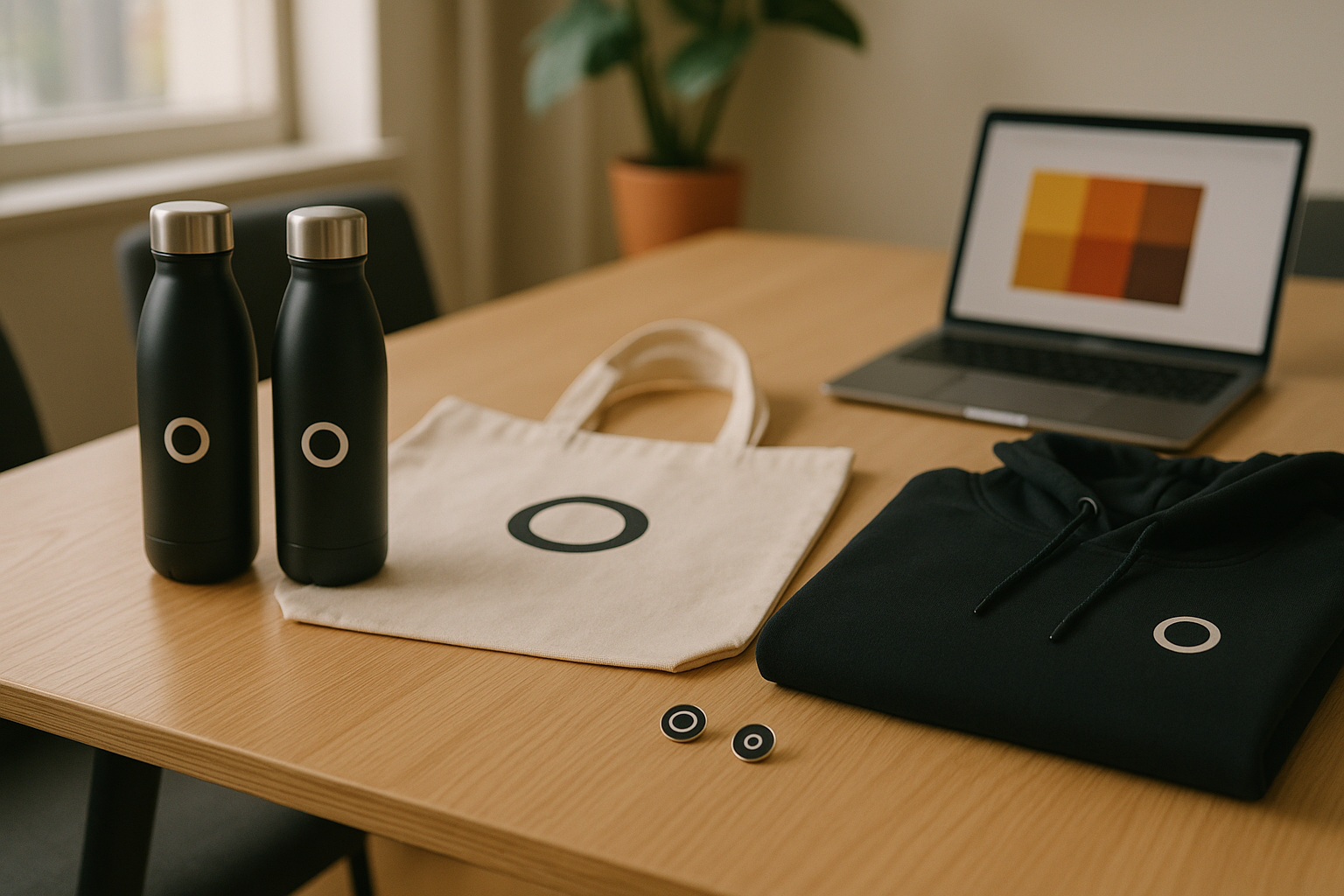
You're an account manager. The client wants 5,000 branded water bottles, 2,000 tote bags and a hundred premium hoodies for a conference — delivered in 18 days, under a fixed budget, and the colour has to match a Pantone you've been arguing about for a week. Sound familiar?
Promotional merchandise procurement is one of those quietly stressful corners of agency life. The margins are thin, the deadlines are brutal, and the supplier ecosystem is so cluttered with resellers-of-resellers that by the time the goods land on your client's desk, three or four middlemen have taken a slice. Let's talk about how that economics actually breaks down — and what a zero-commission sourcing approach can do for your agency's bottom line.
The hidden cost stack in promo merch sourcing
Most agencies don't manufacture branded goods themselves. They go through distributors, who go through importers, who go through factories. Layered on top of that, many lead-generation platforms and supplier directories charge agencies (or suppliers, who pass it on) a 5–15% commission on every quote that converts.
Here's what a typical £10,000 promo order can look like behind the scenes:
- Factory cost: £5,500
- Importer/distributor markup: £1,500
- Reseller markup: £1,200
- Platform/lead-gen commission: £800
- Agency margin: £1,000
The agency — the party actually managing the client relationship, the artwork, the proofing and the delivery risk — often ends up with the smallest slice. And when something goes wrong (wrong shade of navy, late shipment, misprinted logo), it's the agency that wears it.
Why the usual sourcing routes hurt
The three common ways agencies source promo merchandise all have structural problems:
- Catalogue distributors — fast quotes but margins are baked in, and you're competing on the same SKUs as every other agency in the country.
- Direct factory hunting — better pricing but slow, risky, and often involves chasing samples across time zones.
- Lead-gen sourcing platforms — convenient, but they take a percentage of every job, which either eats your margin or inflates the price the supplier has to quote.
None of these are wrong, exactly. They're just expensive in different ways.
What changes when commission disappears
The interesting shift happens when you remove the percentage-based middleman entirely. On a zero-commission marketplace like ZeozGig, an agency posts an RFQ — "5,000 double-walled stainless bottles, 1-colour print, deliver to Manchester by 14 November" — for a fixed £1 fee. Suppliers see it, respond, and the agency only pays to open direct contact with the ones worth talking to (£5 per connection, £0.50 for a voice call, £1 for a video call).
That's it. No percentage of the order. No "introduction fee." No subscription. If your RFQ gets zero responses, the £1 is refunded automatically.
What that actually means for an agency P&L
Let's redo the maths on that £10,000 order. If you bypass the lead-gen commission layer and open three direct supplier conversations to find the right fit:
- RFQ fee: £1
- Three direct connections: £15
- One video call to review samples: £1
- Total platform cost: £17
Compare that to a percentage-based platform charging 8% on £10,000 — that's £800 you've effectively paid for the same introduction. Over a year of, say, 40 promo orders, the difference compounds into tens of thousands of pounds that either lift your agency's margin or let you quote more competitively to clients.
Practical workflows for agency procurement teams
Here are some concrete ways agencies are using zero-commission RFQ platforms for promo merchandise:
- Spec-locked tenders. Post a tightly specified RFQ (material, decoration method, quantity, deadline, delivery postcode) and let qualified suppliers self-select. This filters out the time-wasters before you even open a chat.
- Multi-line briefs. Instead of posting one RFQ for a bottle, one for a tote and one for hoodies, post a single "conference kit" RFQ. Suppliers who can fulfil the whole package will reply; you save on coordination time.
- Sample sprints. Use the low-cost video call option to do live sample reviews with shortlisted suppliers — useful when colour accuracy or print quality matters.
- Backup supplier lists. When your usual supplier is overbooked in Q4 (and they will be), a 60-second RFQ post can surface three new options by the end of the day.
The supplier side benefits too
The reason this works is that suppliers — embroiderers, screen printers, importers, drop-shippers, niche manufacturers — also benefit from skipping commissions. They list products for £1 each in a permanent marketplace, respond to relevant RFQs, and keep 100% of what they earn. That means they can quote sharper prices without sacrificing their own margin, which lands back in your client's budget.
When zero-commission sourcing isn't the right tool
To be balanced: if you've already got a trusted promo supplier who delivers on time, year after year, don't break what works. The zero-commission RFQ model is most valuable for:
- One-off campaigns with unusual specs
- High-volume orders where margin really matters
- Tight deadlines where you need parallel quotes fast
- New product categories you haven't sourced before
- Backup capacity during peak season
For your routine repeat orders, your existing supplier relationships are probably still your best bet.
Try it on your next brief
The next time a client lands a promo merchandise brief on your desk, try posting it as an RFQ on ZeozGig before you ring your usual three contacts. It costs £1, takes about a minute, and if nobody responds, you get the £1 back. If the right supplier does turn up, you've just avoided handing 8–15% of the job to a middleman — and that margin can go straight into your agency's bottom line or your client's saved budget. Post a request, list your agency's services, and keep 100% of what you earn.