How Print Brokers Can Quote Foiled, Embossed and Die-Cut One-Offs Without Cold Calling
How print brokers can source specialist foiling, embossing and die-cutting for a one-off client job without burning hours cold calling unfamiliar finishers.
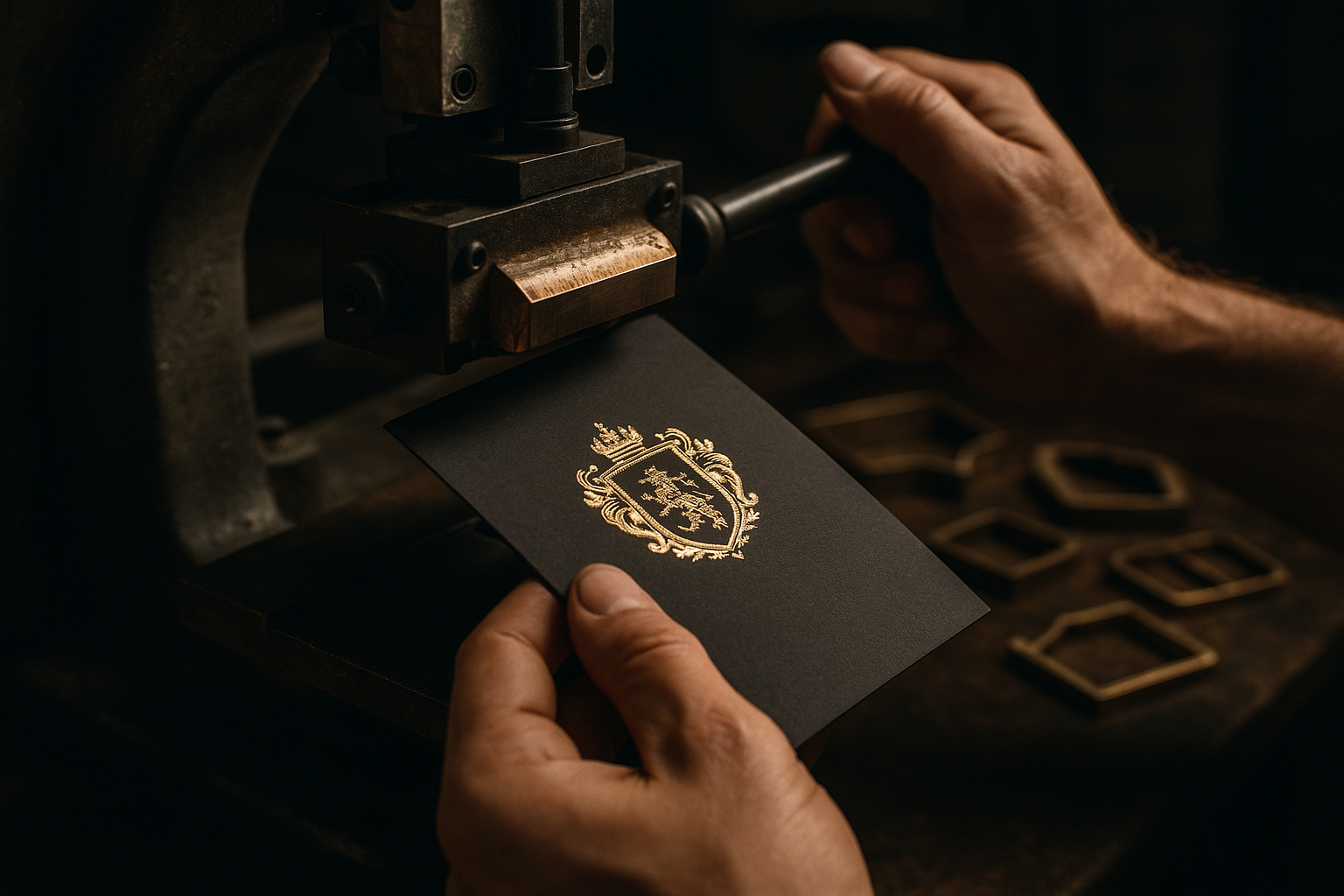
A client drops a beautiful one-off into your inbox — soft-touch laminate, blind emboss, copper foil edges, bespoke die-cut. Lovely brief. Terrible sourcing problem, because your usual trade printer doesn't do half of it in-house and you've got 48 hours to come back with a price you can stand behind.
This is the bit of broking nobody talks about. Repeat work flows through the same two or three trusted suppliers, but the one-offs — the awards invites, the luxury packaging samples, the limited-run book jackets — force you into unfamiliar territory every time. Here's a more sensible way to handle them.
Why one-off specialist finishing is the hardest sourcing problem brokers face
With standard litho or digital you can ring round three trade printers and triangulate a sensible buy price in under an hour. Specialist finishing breaks that model because:
- The kit varies wildly: Heidelberg foilers, Kluge platens, laser cutters, register-emboss presses — each finisher has a different sweet spot.
- Minimum charges are punitive on short runs. A makeready for a 250-unit emboss can cost more than the print itself.
- Lead times jump. A specialist who's mid-run on a Selfridges packaging job isn't squeezing your 300 wedding invites in tomorrow.
- Quote variance is huge. On the same brief you can see prices range 3x between suppliers depending on whether they need to buy a new die or already have similar tooling.
If you cold-call five finishers you've never used, you'll spend a morning explaining the job five times, get inconsistent quotes back over two days, and still be guessing on reliability.
A faster workflow for one-off finishing jobs
The trick is to stop treating each enquiry as a fresh cold-call exercise and start treating it as a structured RFQ. On ZeozGig, you post the job once and let trade finishers self-select.
A workable brief for specialist finishing should include:
- Substrate and GSM — e.g. 350gsm Colorplan Ebony, or 400mic greyboard wrap.
- Print spec — CMYK plus any Pantone specials, sides printed, coverage.
- Finishing required — foil colour and area, emboss depth (blind or registered), die-cut shape (supply CAD or describe), edge treatment.
- Quantity and overruns — including whether you'll accept 5–10% over/under.
- Delivery deadline and ship-to — be honest; finishers price rush jobs differently.
- Whether you need white-label dispatch — most brokers do; say so up front.
Post that once, and instead of you chasing the trade, the trade comes to you. Finishers who actually have the kit, the capacity and the appetite for a short run will respond. The ones who'd waste your time stay quiet.
Why the economics work for a one-off
This is the part that matters for your margin. ZeozGig charges $1 to post the RFQ and $5 to open a direct connection with a supplier you actually want to talk to. There's no commission on the deal — whatever mark-up you build between your buy price and your sell price stays with you. On a £2,400 luxury invite job with a 35% margin, that's the difference between keeping £840 and handing a chunk of it to a marketplace.
And if your spec is so niche that nobody bites? The post fee is refunded automatically when an RFQ gets zero responses. You're not penalised for testing the market on a weird brief.
Vetting an unfamiliar finisher in under 20 minutes
Getting quotes is the easy half. The risky half is trusting a finisher you've never used with a client job that has zero room for error — a blown emboss on Colorplan isn't something you reprint overnight.
Before you commit, use the direct chat to ask:
- Can you send photos or samples of similar foil/emboss work in the last six months?
- What's your makeready process for short-run dies — do you hold tooling or charge per job?
- What's your standard reject rate on registered emboss, and how do you handle make-goods?
- Will you dispatch white-label on my account, with my delivery note?
- Can you do a quick video call to walk me through the kit you'd run this on?
A 50p voice call or a £1 video call to actually see the press and the proofs is cheap insurance against a £3,000 disaster. Finishers who refuse the conversation tell you everything you need to know.
Building a bench, not just closing a job
Every one-off is also a chance to add a vetted specialist to your roster. The foiling house that turned around your awards invites in four days is the same one you want on speed-dial when a design agency comes asking about a limited-edition book cover next quarter.
Keep notes against each connection: who handled what substrate, who was sharp on lead time, who was honest about overruns, who quoted fairly versus who tried it on. Within six months you've built a private bench of finishers across foiling, embossing, die-cutting, laser-cutting and edge-painting — without having ever cold-called any of them.
Stop losing margin on jobs you should be winning
One-off specialist work is some of the highest-margin print a broker can sell, precisely because end clients can't price-check it on a web-to-print portal. The only thing standing between you and that margin is sourcing friction — and that's a solvable problem.
Post your next specialist finishing RFQ on ZeozGig. One dollar to post, five dollars to open a direct line with a trade finisher who actually wants the work, zero commission on whatever you sell it on for. If you run a finishing house yourself, list your capabilities on the marketplace for $1 and let brokers come to you. Either way, keep 100% of what you earn.