Why A Request For Quote Beats An Instant Price Calculator For Complex Print Jobs
Instant print calculators are fine for business cards, but complex jobs need a proper RFQ. Here's why direct quoting wins on margin, accuracy and trust.

You've spent twenty minutes wrestling with an online price calculator that doesn't have your stock, your finish, or your run length — and the number it spits out is either suspiciously low or laughably high. For anything beyond a flat business card, the instant-quote model breaks down fast.
The Illusion Of The Instant Price
Instant price calculators are a brilliant bit of UX for commodity print. Pick a size, a GSM, a quantity, a turnaround — boom, price. For 500 single-sided flyers on 170gsm silk, that works. The job is so standardised that the calculator's underlying cost model can be hard-coded with reasonable accuracy.
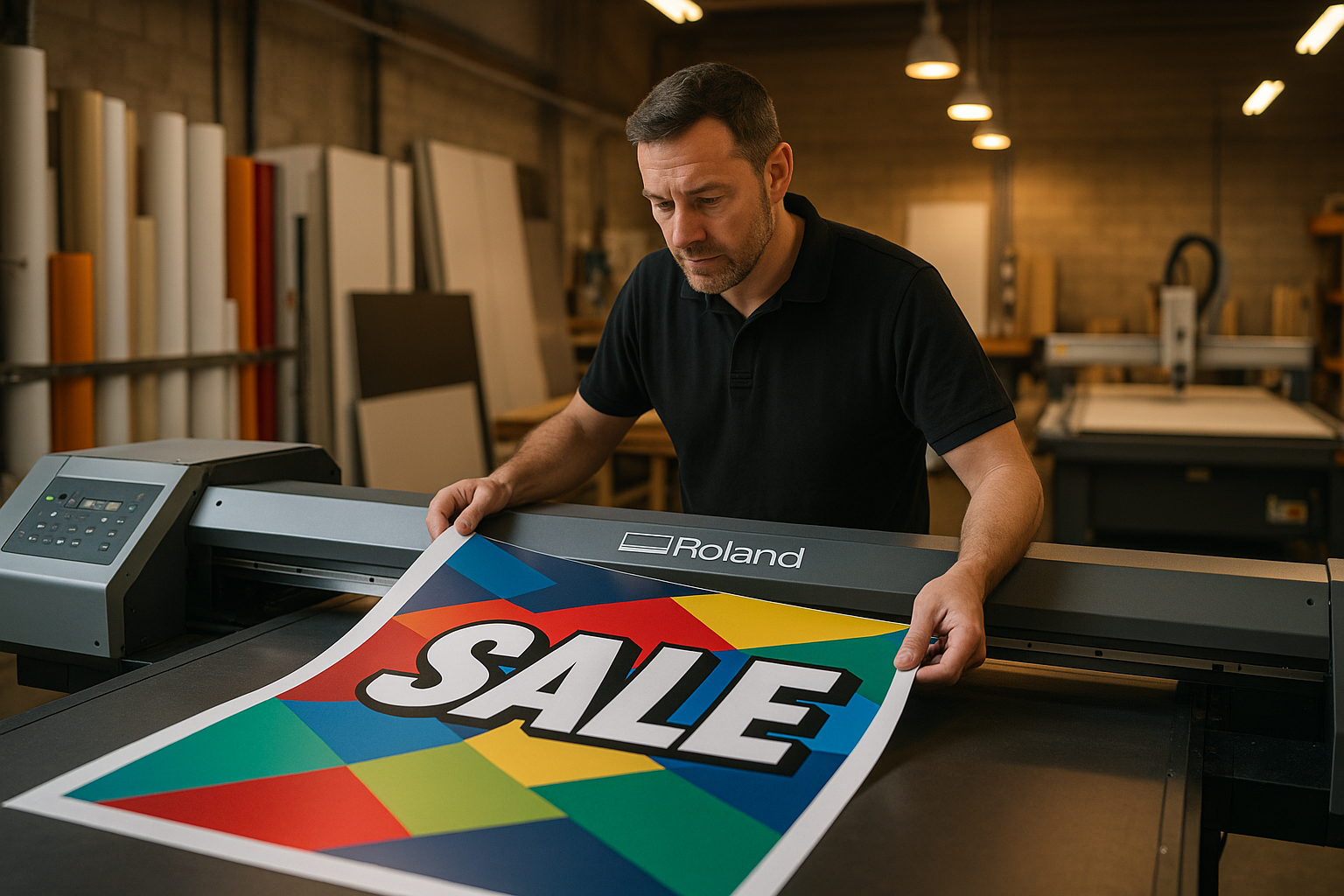
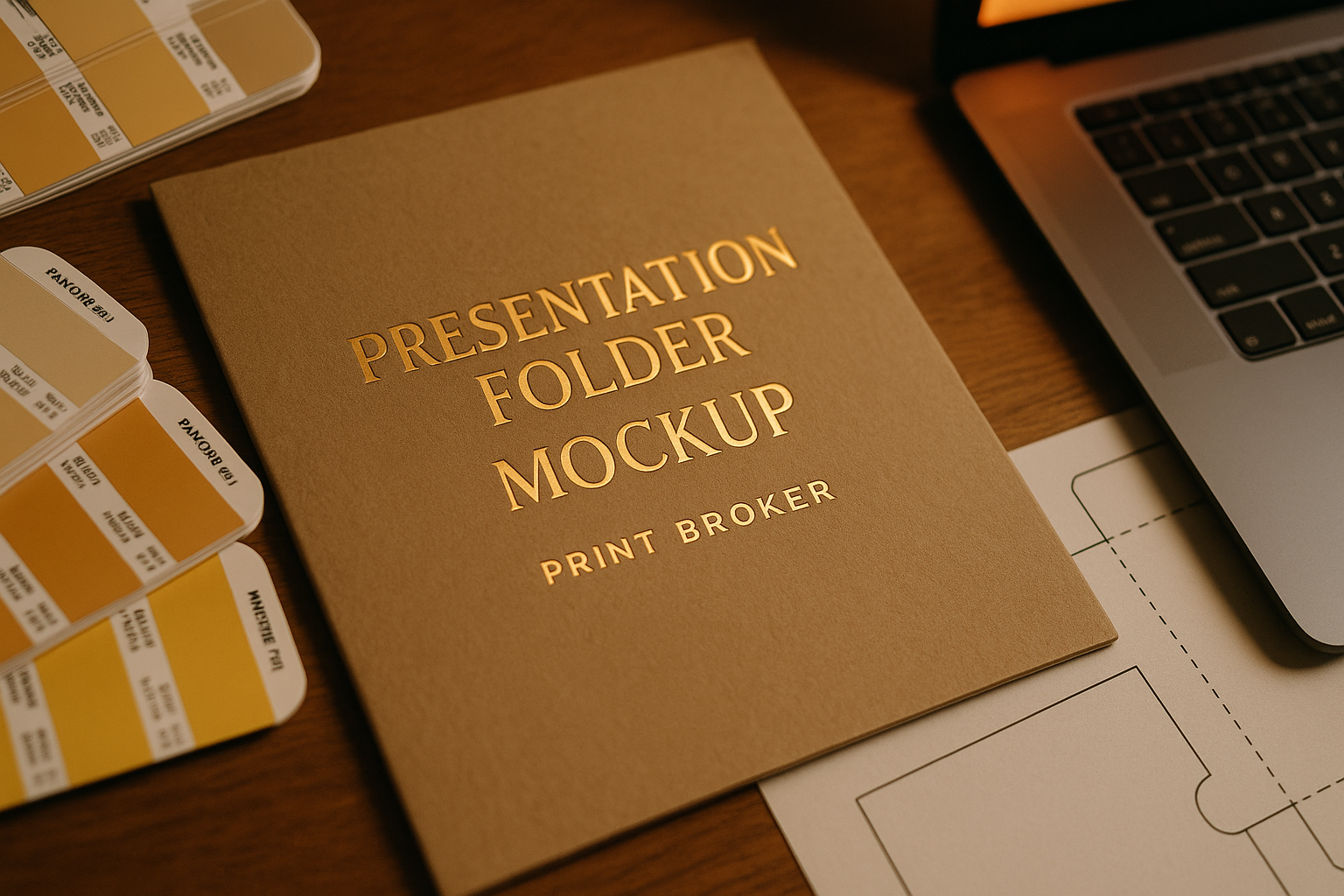
But commercial print isn't all flyers. The moment a job involves a non-standard substrate, a spot Pantone, a custom die, mixed signatures, varnish hits, or any kind of bespoke finishing, the calculator either refuses the job or gives you a wildly off-base number. And that off-base number is dangerous — buyers either overpay or printers undercut themselves into a loss-making makeready.
Where Calculators Fall Over
A quick list of the print jobs where instant pricing simply can't cope:
- Short-run packaging with custom cutters and creasing rules
- Books with mixed text and plate sections, or French-folded covers
- Wide-format with hybrid substrates (e.g. Dibond face-mounted to acrylic)
- Anything involving foiling, embossing, or screen-printed spot UV
- Pantone-matched specials outside CMYK gamut
- Variable-data digital with personalised imagery
- Trade work where the spec sheet runs to three pages
If your job appears on that list, an RFQ isn't old-fashioned — it's the only sensible way to price it.
What An RFQ Actually Gives You That A Calculator Can't
An RFQ is a conversation, even when it starts as a form. It lets the printer ask the questions a calculator can't: Is the bleed already in the artwork? Can we gang this with another job on the same stock? Are you flexible on grain direction? Will you accept a near-match if the Pantone is unavailable in the substrate?
Those questions matter because they're where margin lives — for both sides.
Three Things An RFQ Surfaces That Auto-Pricing Hides
- Ganging opportunities. A printer running your job alongside three others on the same B1 sheet can quote 20–30% less than the calculator price. Calculators never know what else is on the press that week.
- Substrate substitutions. Your spec calls for a 350gsm uncoated that's on 12-week lead time. The printer knows a 340gsm alternative that's in the warehouse. A calculator says out of stock; an RFQ says here's an option.
- Finishing nuance. "Soft-touch lamination plus spot UV" can mean five different things depending on the kit. An RFQ clarifies the spec before quoting — a calculator quotes blind and argues later.
Why Buyers Have Been Pushed Towards Instant Quotes Anyway
Let's be honest about why instant calculators dominate the online print landscape. It's not because they price better — it's because they convert better for the marketplaces hosting them. A calculator gets a card payment in 90 seconds. An RFQ takes a day or two and might end in a no-sale.
The big aggregator platforms have optimised entirely for that 90-second conversion, which means anything complex either gets crammed into a calculator that doesn't fit it, or quietly bounces away to a competitor. And on commission-based marketplaces, the platform takes a percentage whether the price was accurate or not — the printer eats any underquote.
How A Direct RFQ Marketplace Changes The Maths
This is where the model matters. On ZeozGig, posting an RFQ costs £/$1 — and if nobody quotes, you get that fee back automatically. No commission is taken on the resulting job. The printer keeps 100% of the sale; the buyer pays the actual price the printer calculated for their actual job.
That changes the incentive structure in three useful ways:
- Printers can afford to spend ten minutes properly costing a complex job, because they're not handing 10–15% to a marketplace at the end of it.
- Buyers get to talk directly to estimators — chat, voice or video — without a platform sitting in the middle filtering messages.
- Quotes reflect real production realities (press schedules, stock on the floor, finishing partners) rather than a generic algorithm.
A Sensible Workflow For Complex Jobs
If you're a print buyer with anything beyond a commodity job, try this:
- Use instant calculators for the simple, repeatable stuff — flyers, basic business cards, standard letterheads.
- Post an RFQ for anything with bespoke spec, unusual substrates, finishing requirements, or runs above 5,000.
- Compare quotes on more than just price — look at lead time, proofing process, and the questions the printer asked you back.
- Open a direct connection with the two or three printers whose responses showed they understood the job.
That workflow gets you commodity speed where it suits, and craft pricing where it matters.
The Bottom Line
Instant calculators aren't going away, and nor should they. But pretending they can price a foil-blocked, die-cut, Pantone-matched packaging run is how buyers end up disappointed and printers end up writing off makereadies. For complex work, the RFQ is still the right tool — it just needs a marketplace that doesn't punish either side for using it.
Ready To Quote Complex Work Properly?
If you're a print buyer with a job too complex for a calculator, post an RFQ on ZeozGig for £/$1 — refunded automatically if no one responds. If you're a printer tired of competing on calculator pricing, list your press and finishing capabilities and start receiving briefs that actually match what your kit can do. No commission, no contracts, just direct work.