Letterpress And Craft Printers: Winning Niche RFQs Mass Platforms Always Miss
Mass print marketplaces funnel jobs to high-volume digital shops. Here's how letterpress and craft printers can capture the niche RFQs they actually want.
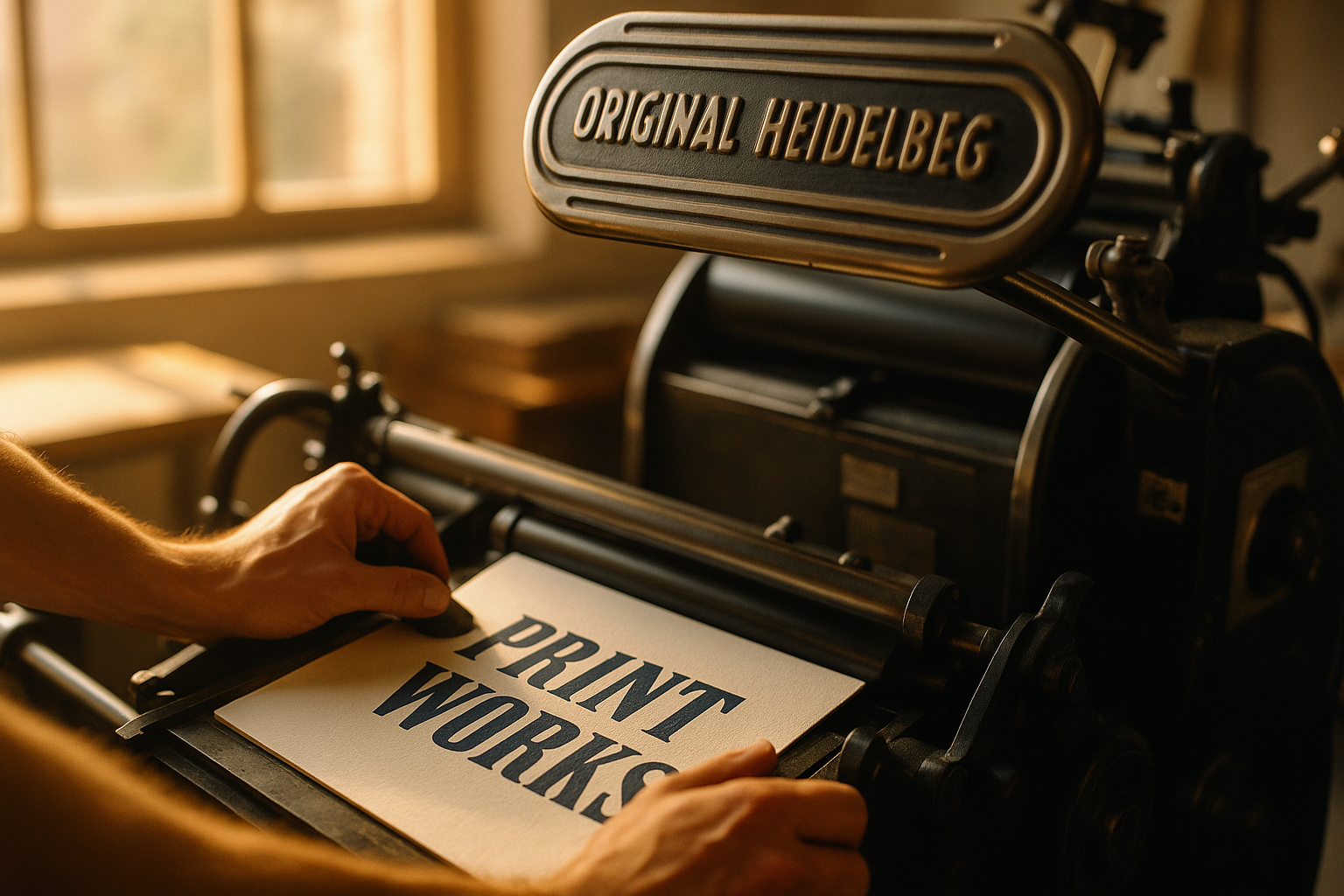
If you run a Heidelberg Windmill, a Vandercook proof press, or a small craft studio doing hot foil and deckle-edge cotton, you've probably noticed something irritating about the big print marketplaces: the jobs you actually want never seem to land in your inbox. Instead you get asked to quote 5,000 digital flyers on 130gsm silk — work you don't want and can't price competitively.
The problem isn't demand. There are plenty of buyers actively searching for impression-heavy letterpress wedding suites, blind-debossed business cards on 600gsm duplex, and short-run art prints on Somerset Velvet. The problem is that mass platforms are built around volume, speed and lowest-price-wins auctions — the exact opposite of what craft printing is about.
Why Mass Platforms Filter Out Craft Work
Most big print marketplaces are essentially price-comparison engines bolted onto an instant-quote calculator. They're brilliant at matching a buyer who needs 1,000 A5 leaflets to whichever B2 digital shop has spare capacity that afternoon. They're terrible at handling anything that requires a conversation.
Letterpress and craft jobs almost always require a conversation. A buyer asking for "letterpress invitations" might mean:
- 100 single-sided cards on 300gsm Colorplan with one Pantone hit
- 250 duplexed 600gsm cards with two-colour letterpress and edge painting
- A full suite with envelopes, RSVP cards, belly bands and wax seals
- Polymer plates supplied, or magnesium dies sourced by the printer
- Cotton, bamboo, or a tree-free stock the buyer can't quite name
No instant calculator handles that. And because mass platforms route by lowest bid, the craft printer who quotes properly almost always loses to a shop that misunderstood the brief.
The Real Cost Of Being On The Wrong Platform
It's not just the lost work. Many of these marketplaces take 10–20% commission on jobs they do send your way, plus monthly listing fees, plus penalties for declining "unsuitable" briefs. For a studio turning over £80k a year on detailed, hand-finished work, that commission can swallow an entire press operator's wage.
What Niche RFQs Actually Look Like
When craft buyers go looking for the right supplier, their requests are detailed and specific. These are the briefs that mass platforms either reject or mangle:
- Wedding and event stationery — multi-piece suites, edge painting, foil blocking, custom envelope liners, calligraphy-ready stock.
- Premium business cards — duplexed or triplexed cards, blind deboss, painted edges, letterpress on 600gsm+ cotton.
- Art prints and editions — signed and numbered runs, archival inks, hand-deckled edges, museum-grade papers.
- Packaging for small luxury brands — short-run rigid boxes, foiled labels, belly bands for craft spirits, soap, candles.
- Book and zine work — Smyth-sewn binding, French-fold covers, letterpressed dust jackets, hand-bound editions.
- Hot foil and specialty finishing — copper, holographic and pigment foils on coated and uncoated stocks.
Each of these has buyers actively hunting for a supplier — they just need a way to describe what they want without being forced through a tickbox calculator.
How A Request-Driven Marketplace Changes The Maths
This is where ZeozGig's structure works in favour of craft shops rather than against them. The platform is built around RFQs, not instant quotes. A buyer posts what they actually need — in their own words, with reference images and material specs — for $1. Suppliers who match the brief see it and decide whether to respond.
There's no commission on the resulting job. If a buyer wants to talk through a complex suite, opening a direct connection costs $5 once, and after that you can chat, call or video freely about that project. A voice call to discuss paper samples is 50¢. That's it.
Why The Fee Model Suits Low-Volume, High-Value Work
Craft printers don't do 200 jobs a month. They do 10–20 high-value jobs where the margin lives in the detail. A commission model punishes that — losing 15% of a £4,000 wedding suite hurts. A fixed-fee model rewards it: the cost to win the job is a few pounds, and you keep the rest.
A few practical things to know:
- Posting a request that gets zero responses is refunded automatically, so buyers aren't risking anything to test a niche brief.
- Listing a product or service costs $1 and stays in the marketplace permanently — useful for advertising standing capabilities like "two-colour letterpress on cotton, up to A4".
- There are no monthly fees and no contracts, so a small studio isn't paying when it's quiet.
Making Yourself Findable For The Right Briefs
Whether you use ZeozGig or anywhere else, a few habits help craft printers attract the work they want:
- Be specific in your listings. "Letterpress printer" is too vague. "Two-colour letterpress on up to 600gsm cotton, Heidelberg Windmill, polymer or magnesium plates" tells a buyer everything they need.
- Show your stock library. Listing the papers you stock — Colorplan, Crane Lettra, GF Smith Extract, Somerset — pulls in buyers searching for those names.
- Quote thinking time, not just press time. Craft work involves makeready, plate prep, mixing inks to Pantone. Build that into your number and explain it.
- Respond fast to RFQs, even with questions. The first supplier to engage usually wins the conversation, even if not the lowest price.
The Buyers Are Out There
Designers, event planners, small luxury brands, independent publishers, gallery owners — they all need craft print and they're tired of being routed to digital shops that can't deliver the impression they want. The gap between what they're asking for and what mass platforms offer is exactly where a well-positioned letterpress studio can win.
---
If you run a craft, letterpress or specialty print studio, list your capabilities on ZeozGig for $1 and start receiving the niche RFQs that mass platforms quietly filter out. Or if you're a buyer with a brief that's never fitted a tick-box quote form, post your request — if nobody responds, your fee comes straight back.